
Honoring Queer Black Icons
Here at Stonewall, we recognize that the struggles for racial justice and LGBTQ+ liberation are inextricably connected. As queer and trans people, much of the success of our movement is owed to Black game-changers who paved the way for progress for our people. In honor of Black History Month, we’re highlighting some iconic figures in queer Black history - both past and present. These bold individuals have blazed trails, opened doors, and continue to lead with bravery and authenticity - despite the inherent risks. Together, they’ve moved the needle on justice and liberation for our community. They should all be household names. Read on to meet some pivotal figures in our ongoing battle for full, lived equality.
Frances Thompson • Pauli Murray • Norris B. Herndon • Ma Rainey • Marlon Riggs
Stormé DeLarverie • Octavia St. Laurent • Aariana Rose Philip • Audre Lorde • Colman Domingo
Jason Collins • Miss Major Griffin-Gracy • Raquel Willis • Roxane Gay • Willi Ninja
It might be Black History Month, but at Stonewall, we’re always focused on building up Black futures. Consider a gift to our Black Futures Fund to empower bold, Black-led LGBTQ+ nonprofit efforts across the country.
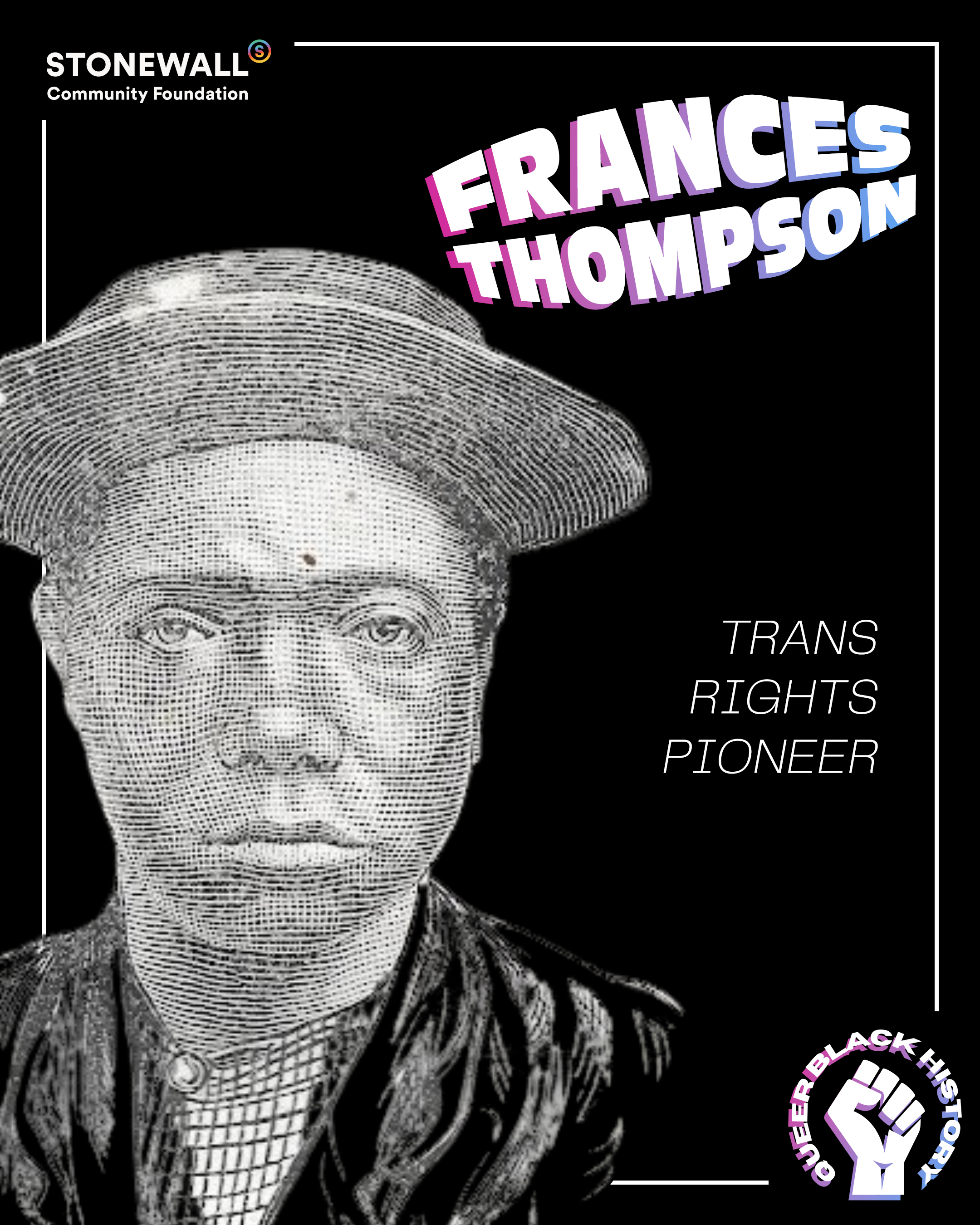
Frances Thompson - Trans Rights Pioneer
Believed to be the first transgender woman to testify before the United States Congress, Frances Thompson was born into slavery in 1840. Living as a free woman by the age of 26, Thompson was an advocate for bodily autonomy, an anti-rape activist, and she played a pivotal role in getting the US government to enact legislation protecting the civil rights of newly emancipated Black people.
Thompson's bold legacy lives on today as we continue fighting for self-determination, dignity, and justice for queer and trans people. Her story serves as a reminder that queer and trans people have always been here, and we always will be. Always.
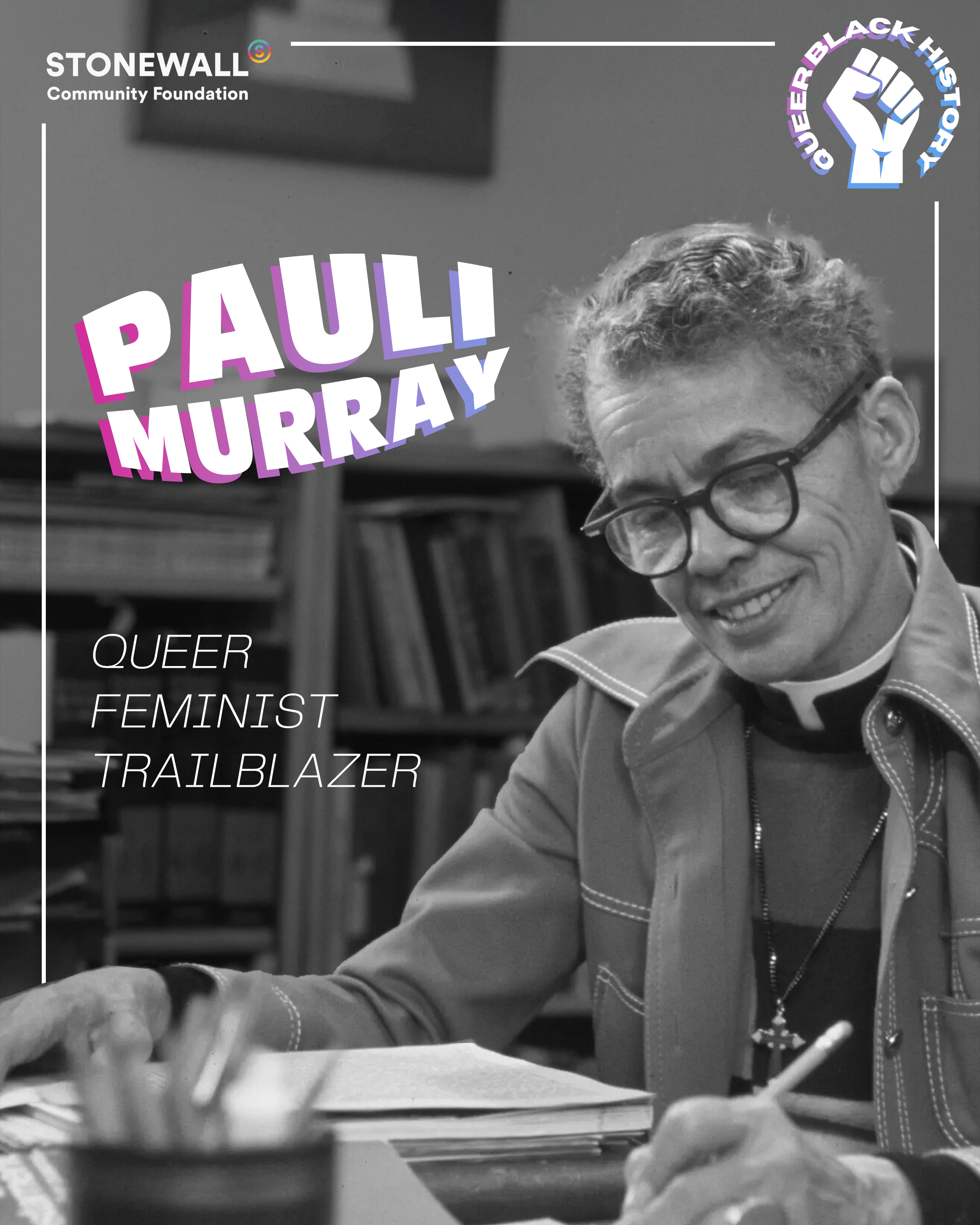
Pauli Murray - Queer Feminist Trailblazer
One of the most pivotal - yet often forgotten - figures of the Civil Rights Movement, Pauli Murray was a Black, queer, feminist lawyer who dedicated a lifetime to challenging preconceived notions of race, gender, sexuality, and religion. Murray pioneered many of the non-violent protest tactics of the Jim Crow era, and authored legal arguments that played a pivotal role in outlawing systemic racism and sexism.
Many of Murray's contributions to the Civil Rights Movement were erased from the broader narrative due to respectability politics of the era. Later in life, Murray became an Episcopal priest, and was eventually canonized as a saint - a queer saint!
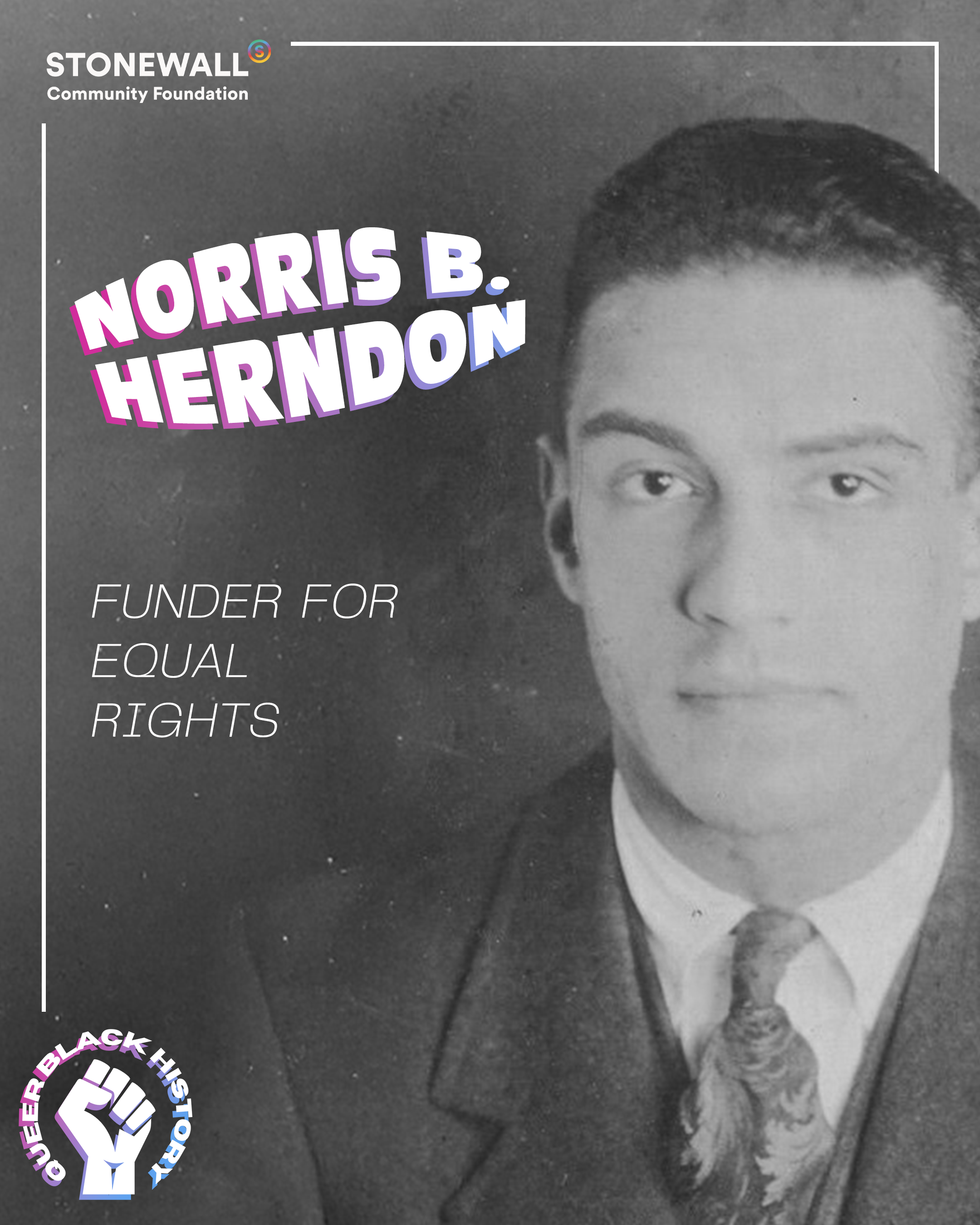
Norris B. Herndon - Funder for Equal Rights
After the death of his father in 1927, Norris B. Herndon assumed the role of president of Atlanta Life Insurance, turning the company into one of the most successful Black-owned business in the US. Using his wealth and influence to support the Civil Rights Movement, Herndon was a critical funder of racial justice efforts, and regularly gave generously to support MLK, Jr., HBCUs, the NAACP, and more. He even allowed key Civil Rights activists to use his offices for training purposes.
While he never publicly identified as gay or bi, many in his inner circle were aware of his relationships with men throughout his life.
Herndon's legacy serves as a reminder of the important role that Black queer individuals have played in shaping American history.
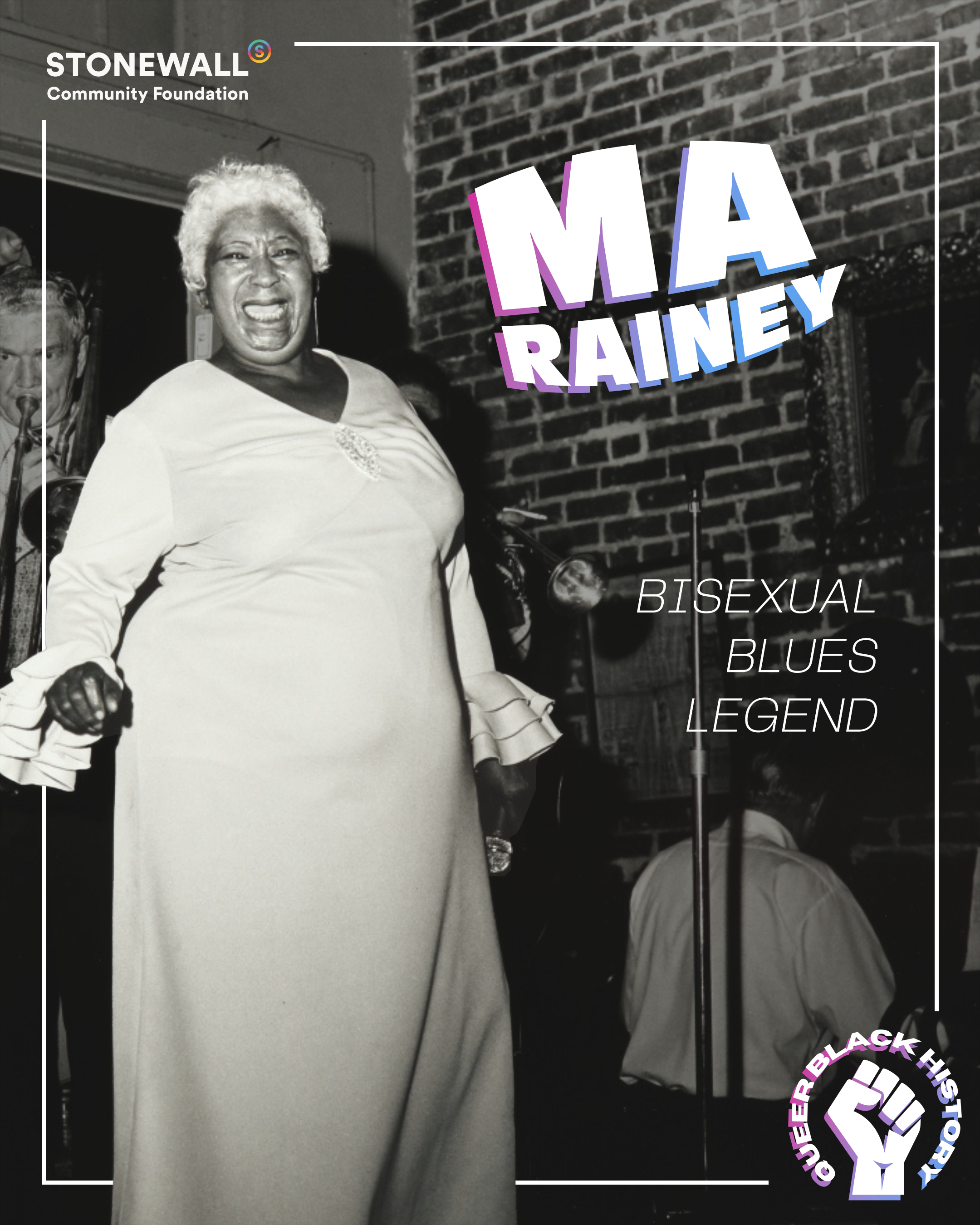
Ma Rainey - Bisexual Blues Legend
Ma Rainey, also known as the "Mother of the Blues," was a pioneering blues singer and one of the first openly bisexual performers in the early 20th century. Her music often expressed themes of sexual freedom and gender identity that challenged prevailing attitudes of her time.
Rainey's songs such as "Prove It on Me Blues" and "Sissy Blues" were widely considered to be bold and unapologetic expressions of her bisexuality, and her performances often featured drag queens and other gender-nonconforming artists.
Rainey's visibility and outspokenness about her sexuality, at a time when queerness was widely stigmatized, helped pave the way for later LGBTQ+ performers and activists. Today, she is celebrated as an icon of queer representation in music history.
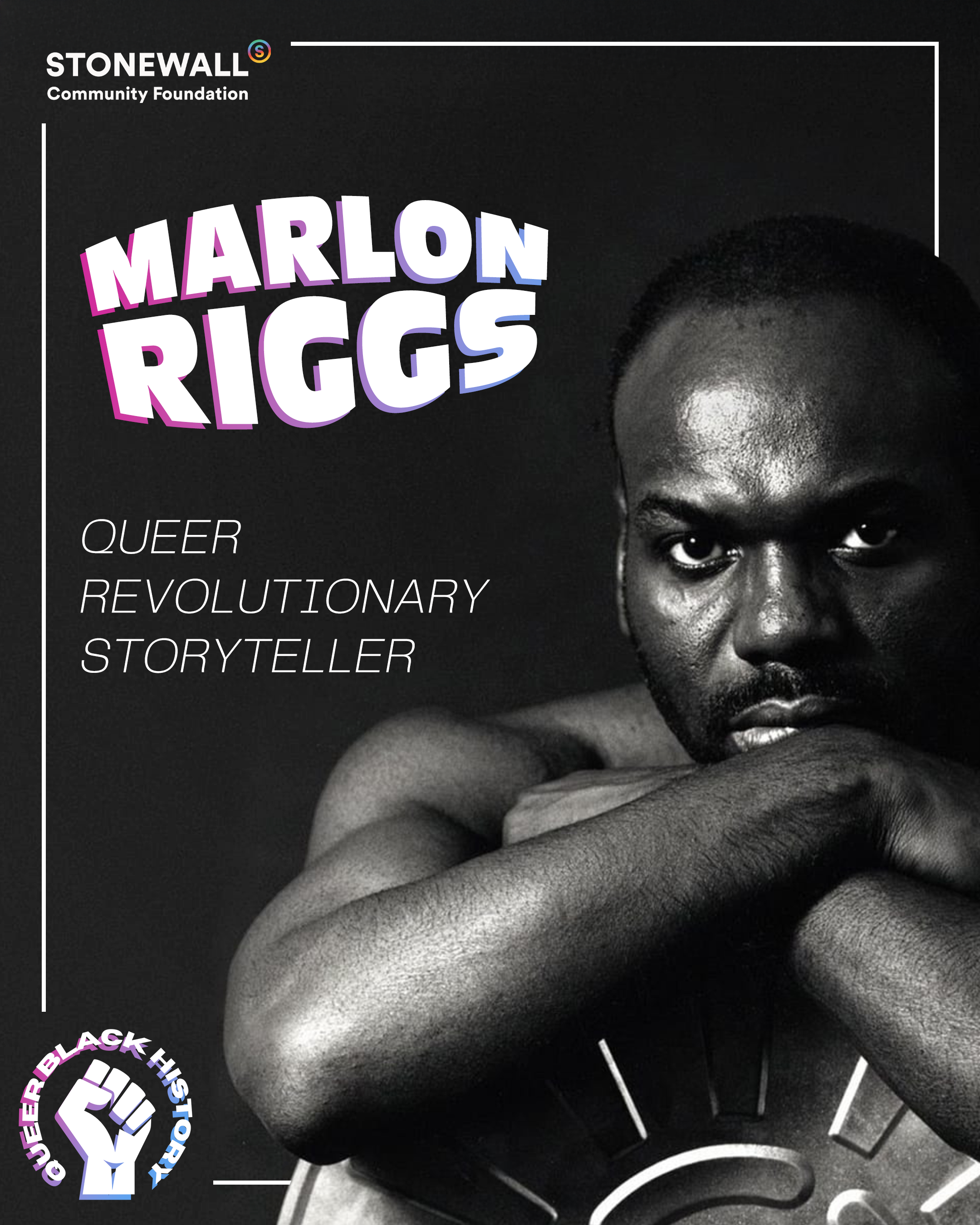
Marlon Riggs - Queer Revolutionary Storyteller
Marlon Riggs was a pioneering filmmaker and activist whose work focused on issues of race, sexuality, and identity, seeking to challenge and subvert stereotypes of LGBTQ and Black people.
In the early 1990s, Riggs' films, including "Tongues Untied" and "Color Adjustment," explored the experiences of Black gay men and the intersectionality of race and sexuality. His work helped to broaden mainstream awareness of LGBTQ+ and Black lives, and was highly influential in advancing Black and queer representation in media. Riggs also worked with organizations like the National LGBTQ Task Force and ACT UP to fight for the rights of LGBTQ+ people and folks living with HIV/AIDS.
Riggs' legacy continues to inspire and inform our ongoing struggles for LGBTQ+ liberation and racial justice.
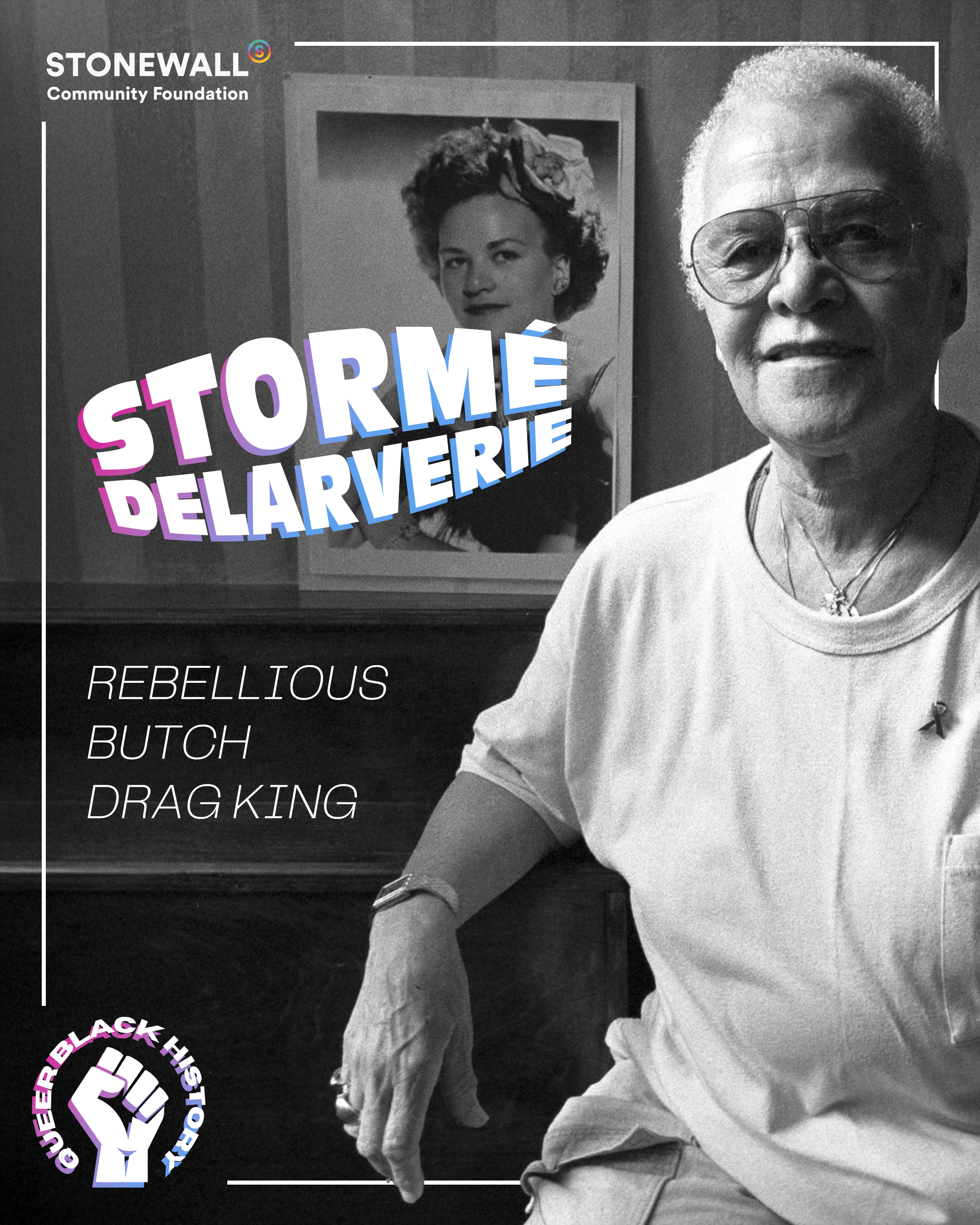
Stormé DeLarverie - Rebellious Butch Drag King
Credited by many with kicking off the Stonewall Rebellion in 1969, Stormé DeLarverie was a butch lesbian drag artist known for having zero tolerance for discrimination. A talented jazz singer, DeLarverie began performing in New Orleans at 15 years old before touring around Europe and eventually making her home in New York City. Soon after arriving in NYC, Stormé landed the role of master of ceremonies for the Jewel Box Revue – a groundbreaking, racially integrated variety show featuring dozens of drag artists.
Dubbing herself the "guardian of the lesbians of the village," DeLarverie regularly patrolled the streets of NYC's Greenwich Village (well into her 80s!), ensuring that her queer and trans neighbors were kept safe from violence.
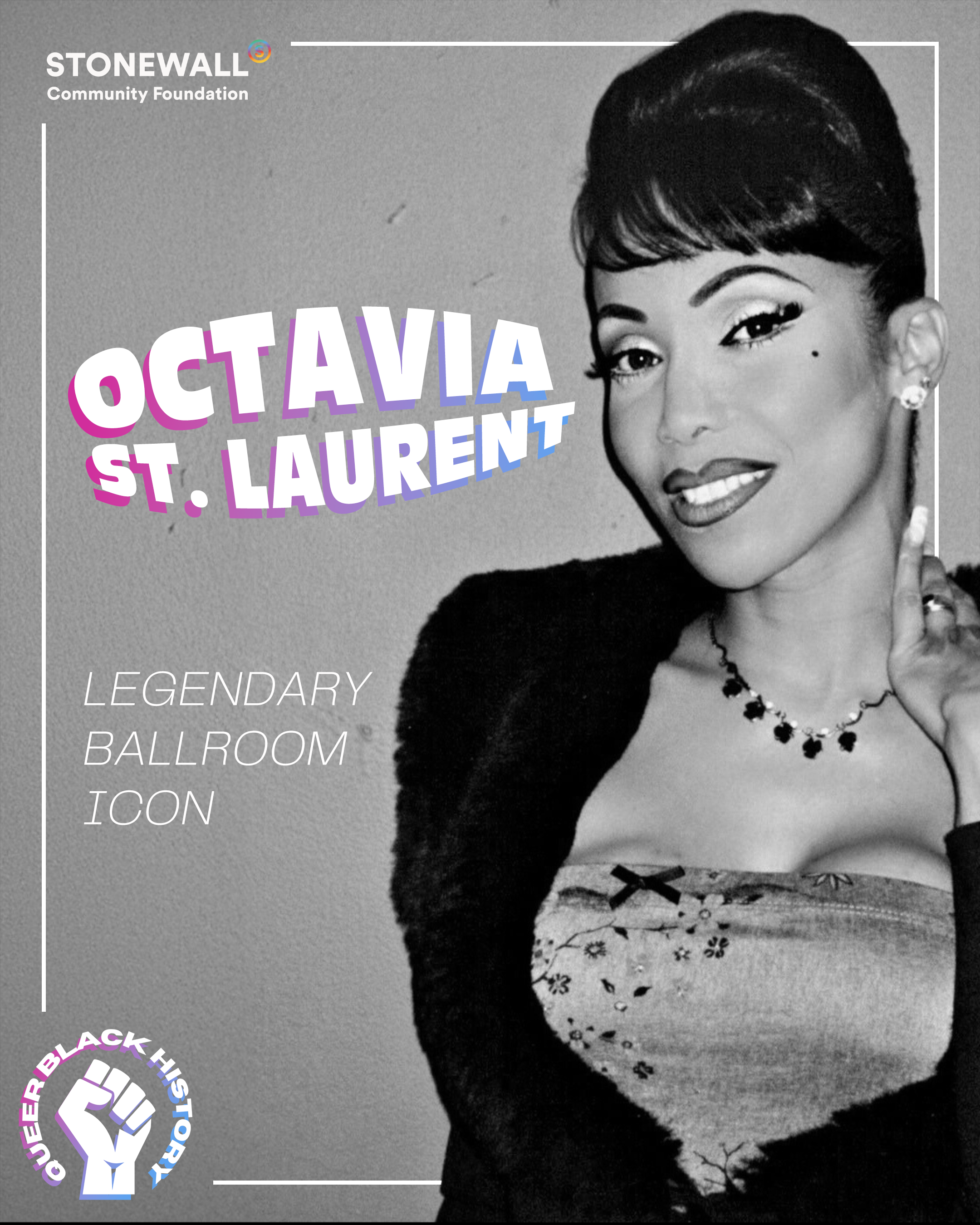
Octavia St. Laurent - Legendary Ballroom Icon
Octavia St. Laurent was a force to be reckoned with in NYC's vogue ballroom community in the 1980s and 90s, leaving a lasting impact on our community. Featured prominently in the 1990 documentary "Paris Is Burning," Octavia was a talented singer, model, performer, and actress. As a legend in the ballroom scene, which continues to serve as a haven for queer and trans people of color in NYC, Octavia used her platform – especially later in her life - to advocate for trans and gender nonconforming people, and counseled her peers about substance use, sex work, and HIV/AIDS.
Throughout her life, the way she described her gender identity – or lack thereof – shifted many times. She once famously remarked, “This is me, you understand? No, I am not a woman. No, I am not a man. I am Octavia.”
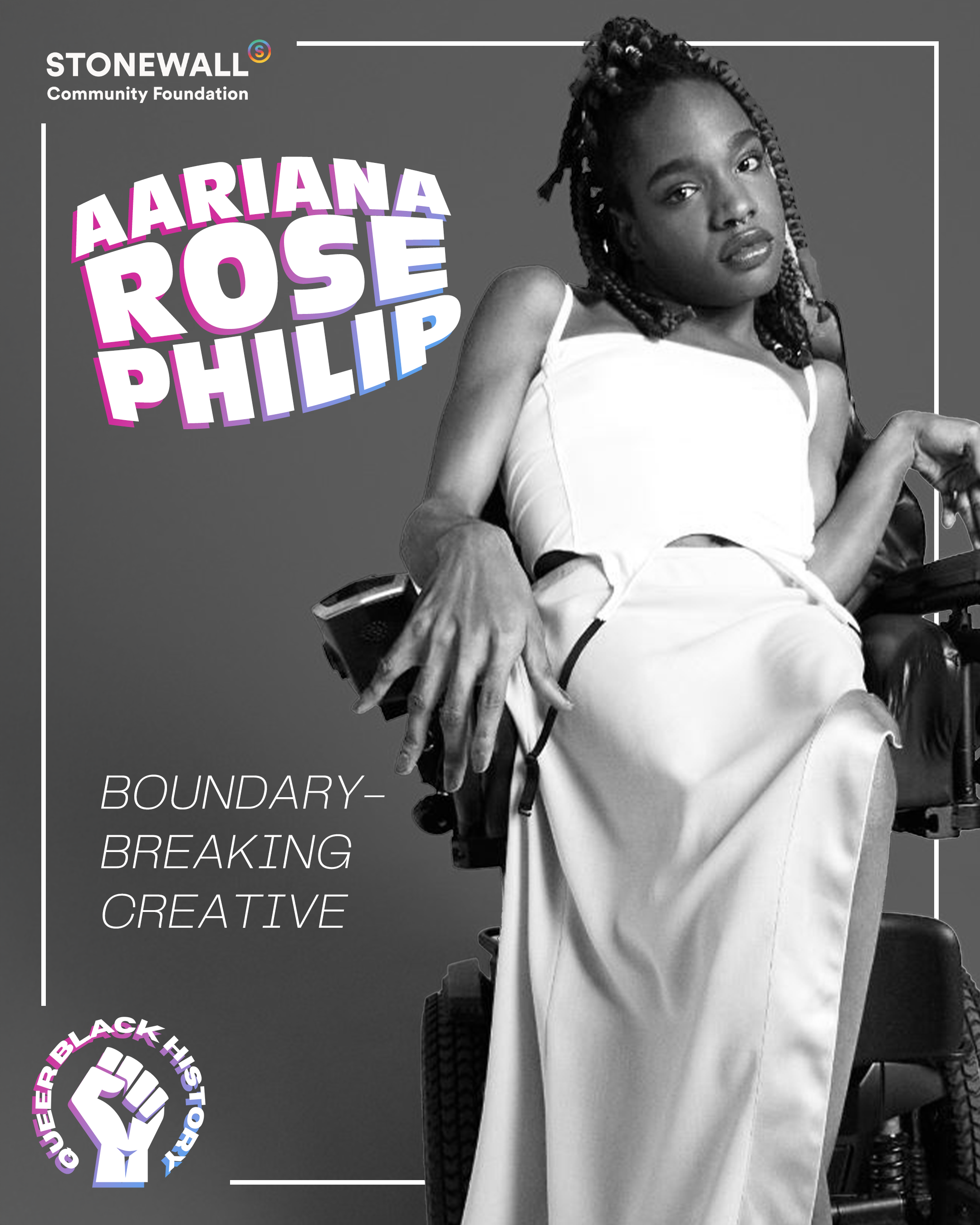
Aariana Rose Philip - Boundary-Breaking Creative
Aariana Rose Philip has re-shaped the face of fashion and representation by breaking barriers as a Black, transgender, physically disabled model and creative force who refuses to be anything but fully herself. Her work on global runways, in major magazine features, and as an outspoken advocate for inclusivity disrupts traditional beauty standards and expands what visibility looks like for queer, disabled and Black bodies in mainstream culture. Aariana works to ensure liberation includes expanding who gets to be seen, celebrated, and valued in spaces that once erased us.
Aariana was honored as a Stonewall Visionary at the 2023 Vision Awards.
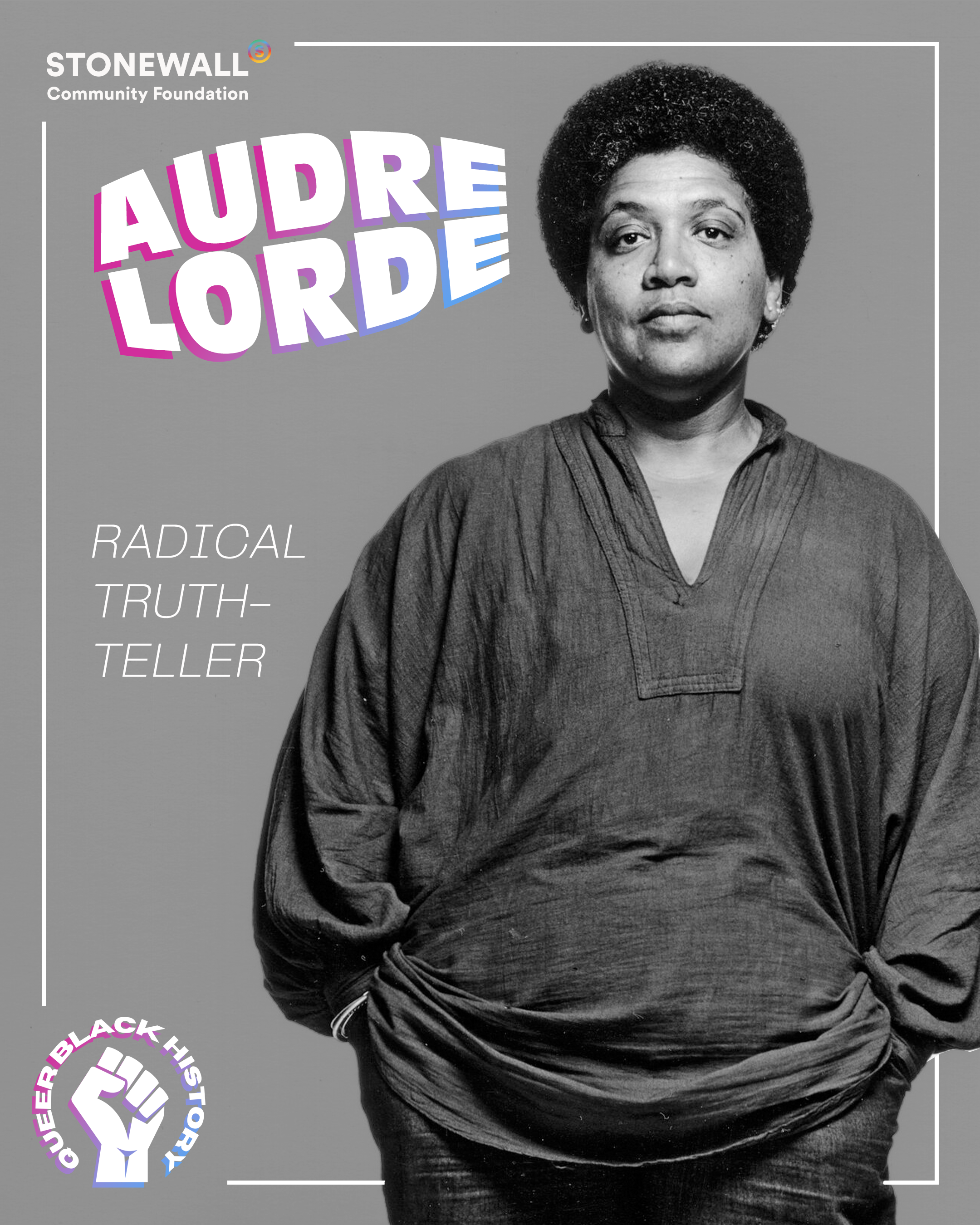
Audre Lorde - Radical Truth-Teller
Audre Lorde stands as a towering intellectual and revolutionary voice whose poems, essays, and other works explored the power and nuance of Black and queer feminism. She insisted that our wounds tell our truths and that self-expression is a catalyst for collective transformation.
By challenging systemic racism, sexism, homophobia, and other forms of oppression in her work, Lorde’s legacy lives on in how our movement for liberation centers intersectionality, encourages living authentically and unapologetically, and honors the radical necessity of embracing differences.
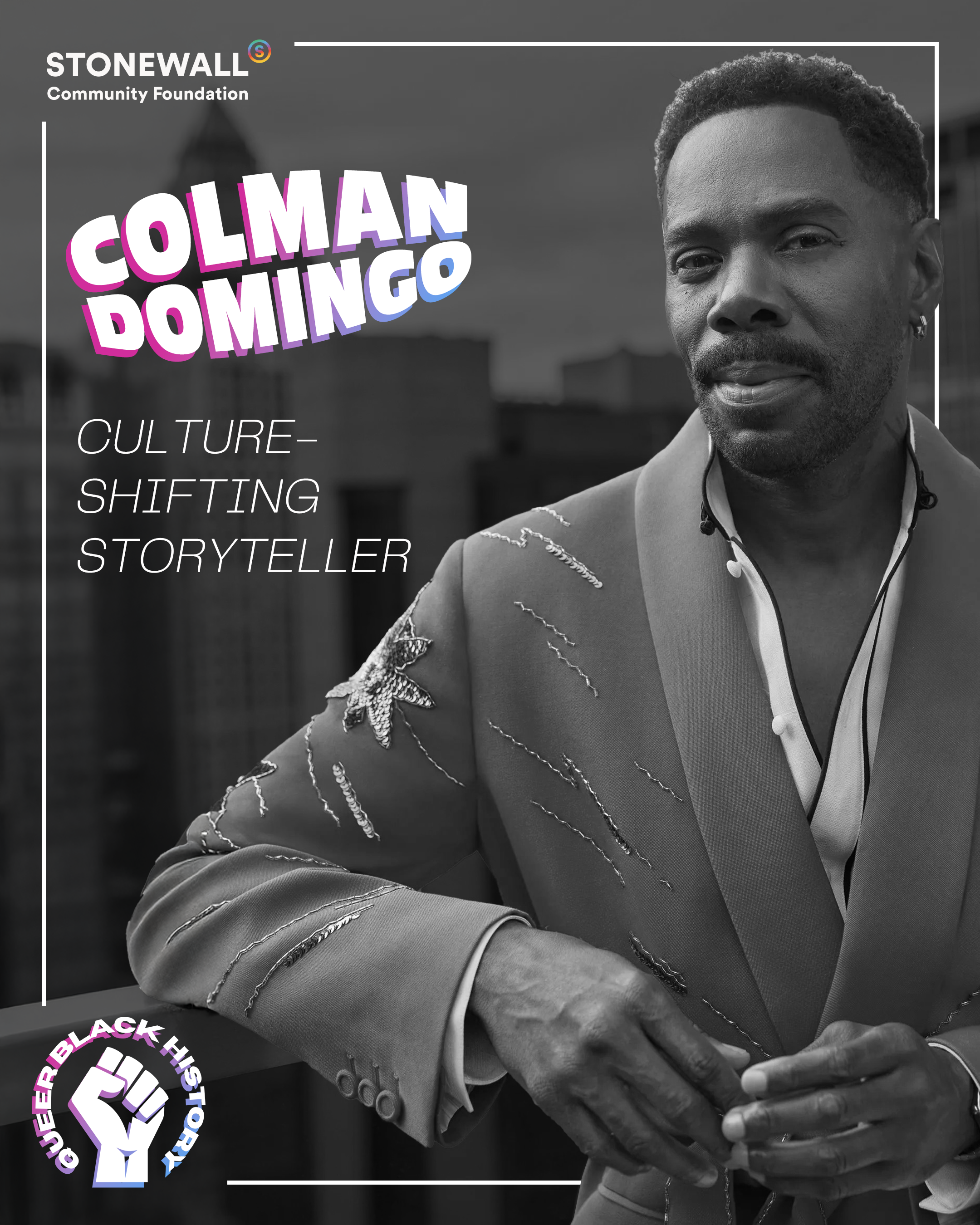
Colman Domingo - Culture-Shifting Storyteller
Colman Domingo’s rise as an acclaimed actor, writer, and producer has not only elevated Black queer stories on the global stage but also reshaped cultural narratives about queer Black men in film and television. Through his deeply human portrayals, which have earned him numerous accolades including two Oscar nominations, Domingo brings historic figures and contemporary queer lives into the cultural mainstream, helping rewrite whose experiences are seen, honored, and valued in Hollywood and beyond.
Colman was honored as a Stonewall Visionary at the 2021 Vision Awards.
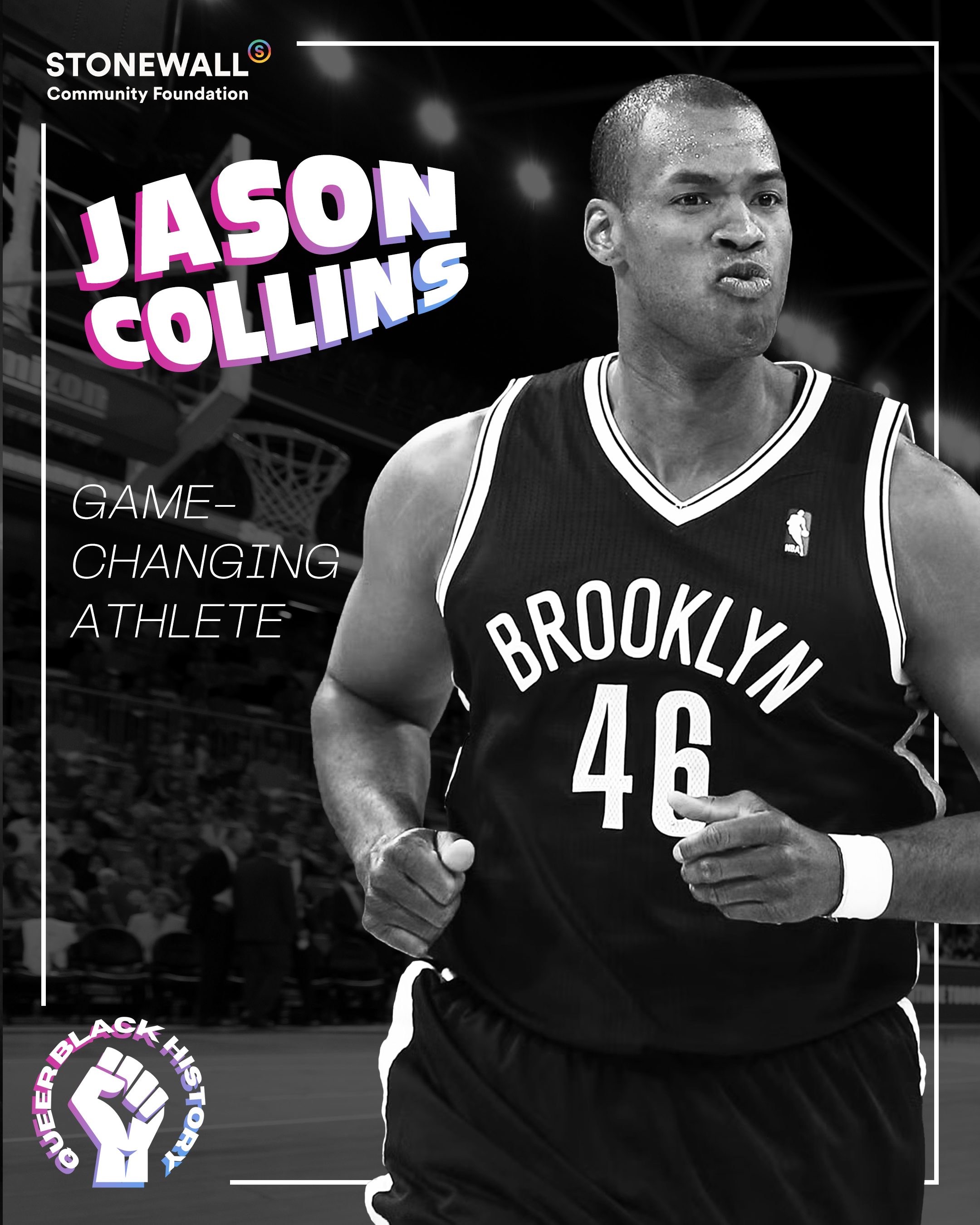
Jason Collins - Game-Changing Athlete
Jason Collins transformed the landscape of professional sports and LGBTQ+ visibility when he publicly came out and became the first openly gay athlete in a major U.S. men’s professional league. His honest declaration not only made space for queer athletes but also sent a message far beyond basketball courts: that authenticity and courage can crack open the world of sports, challenge entrenched norms, and inspire conversations about inclusion and dignity in arenas that have historically excluded queer bodies.
Jason was honored as a Stonewall Visionary at the 2014 Vision Awards.
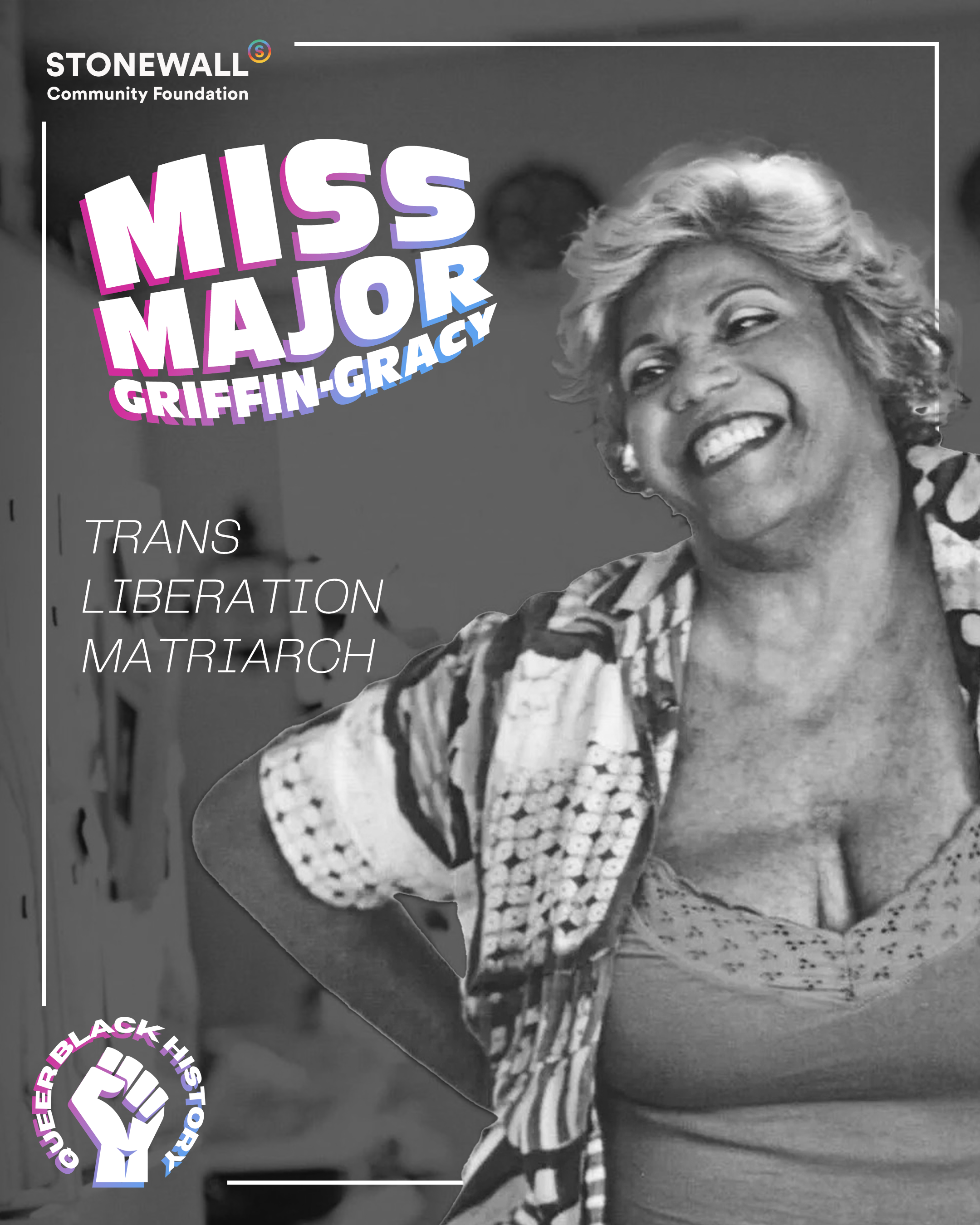
Miss Major Griffin-Gracy - Trans Liberation Matriarch
Miss Major Griffin-Gracy was a foundational leader whose life embodied the interconnected struggles for racial, gender, and queer liberation. From the Stonewall Uprising through decades of subsequent trans activism, community care, and visionary organizing, Miss Major was a fierce advocate for Black trans people. She co-founded organizations centering the most marginalized, created healing spaces and offered mentorship for generations of trans leaders, and insisted that trans women of color be at the forefront of movements that too often sidelined them. She passed in 2025, leaving a legacy of compassion, resistance, and radical dignity.
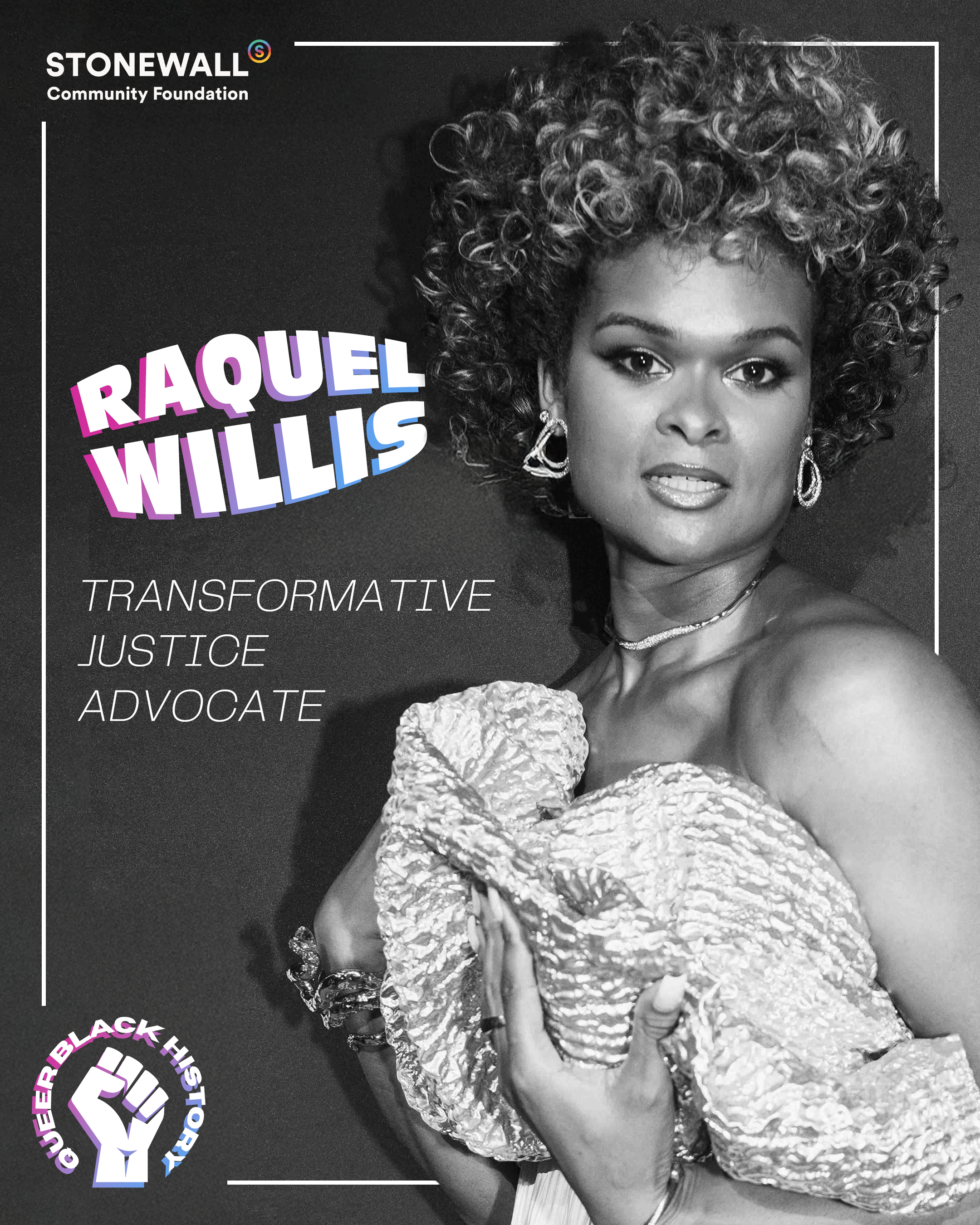
Raquel Willis - Transformative Justice Advocate
Raquel Willis is a dynamic activist, writer, and cultural strategist whose work centers the voices and rights of Black transgender people while challenging narratives and policies that marginalize them. Raquel has held trailblazing roles in media leadership and co-founded Gender Liberation Movement, a Stonewall grantee partner and major advocacy initiative. An incredible writer, she’s published powerful work on liberation and accountability, and has fundamentally shifted how LGBTQ+ movements talk about justice, bodily autonomy, and collective care. For Raquel, liberation must be expansive, intersectional, and rooted in truth-telling.
Raquel was honored as a Stonewall Visionary at the 2024 Vision Awards.
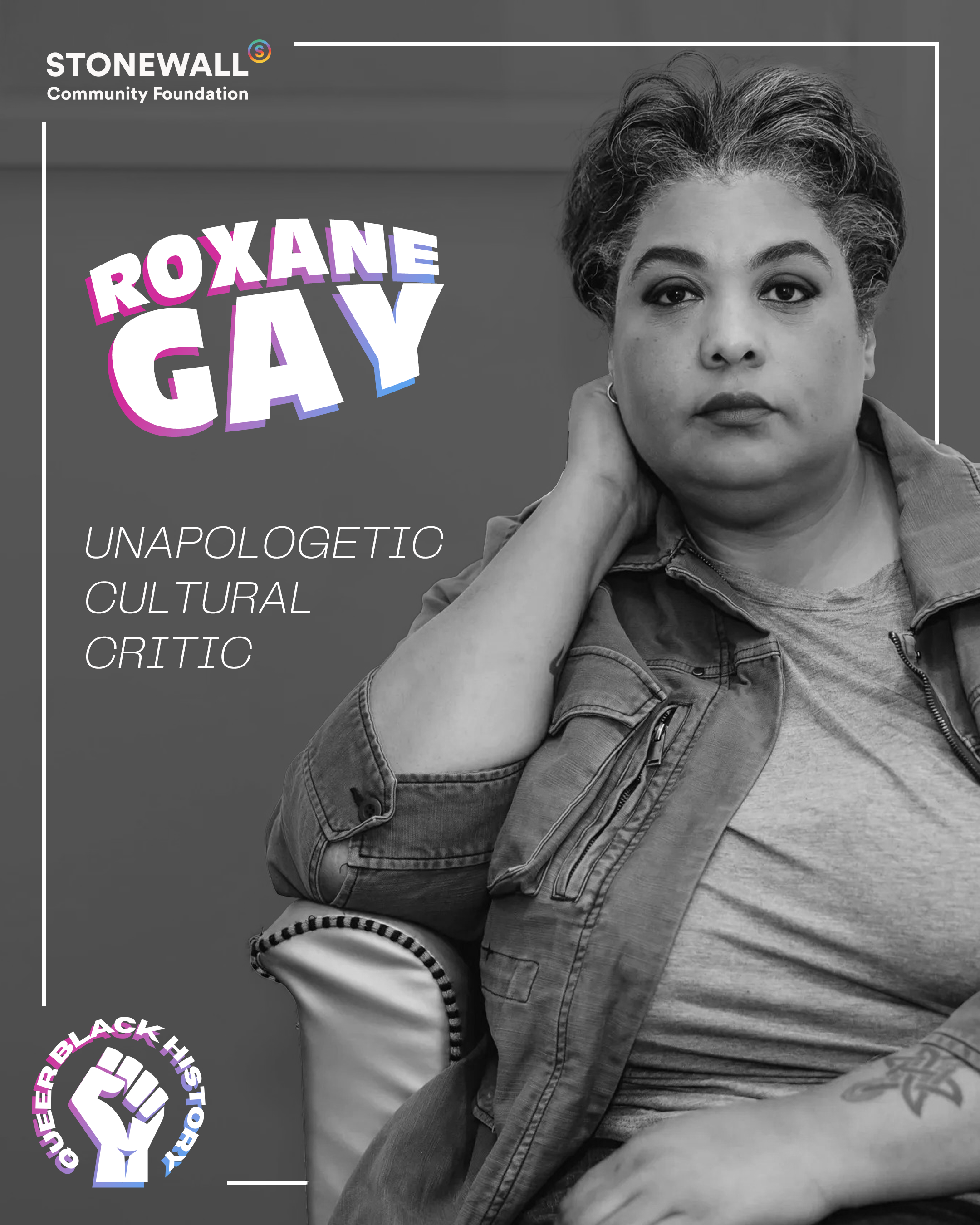
Roxane Gay - Unapologetic Cultural Critic
Roxane Gay has emerged as one of the most influential writers and thinkers of her generation, using essays, fiction, and cultural criticism to explore identity, power, trauma, desire, and the formation of self. In a world that often marginalizes Black, queer, and feminist voices, her incisive work challenges readers to confront uncomfortable realities while making space for empathy, nuance, and human complexity. Her works have shaped cultural conversations far beyond literary circles and have forged pathways for deeper understanding in our divided society.
Roxane was honored as a Stonewall Visionary at the 2020 Vision Awards.
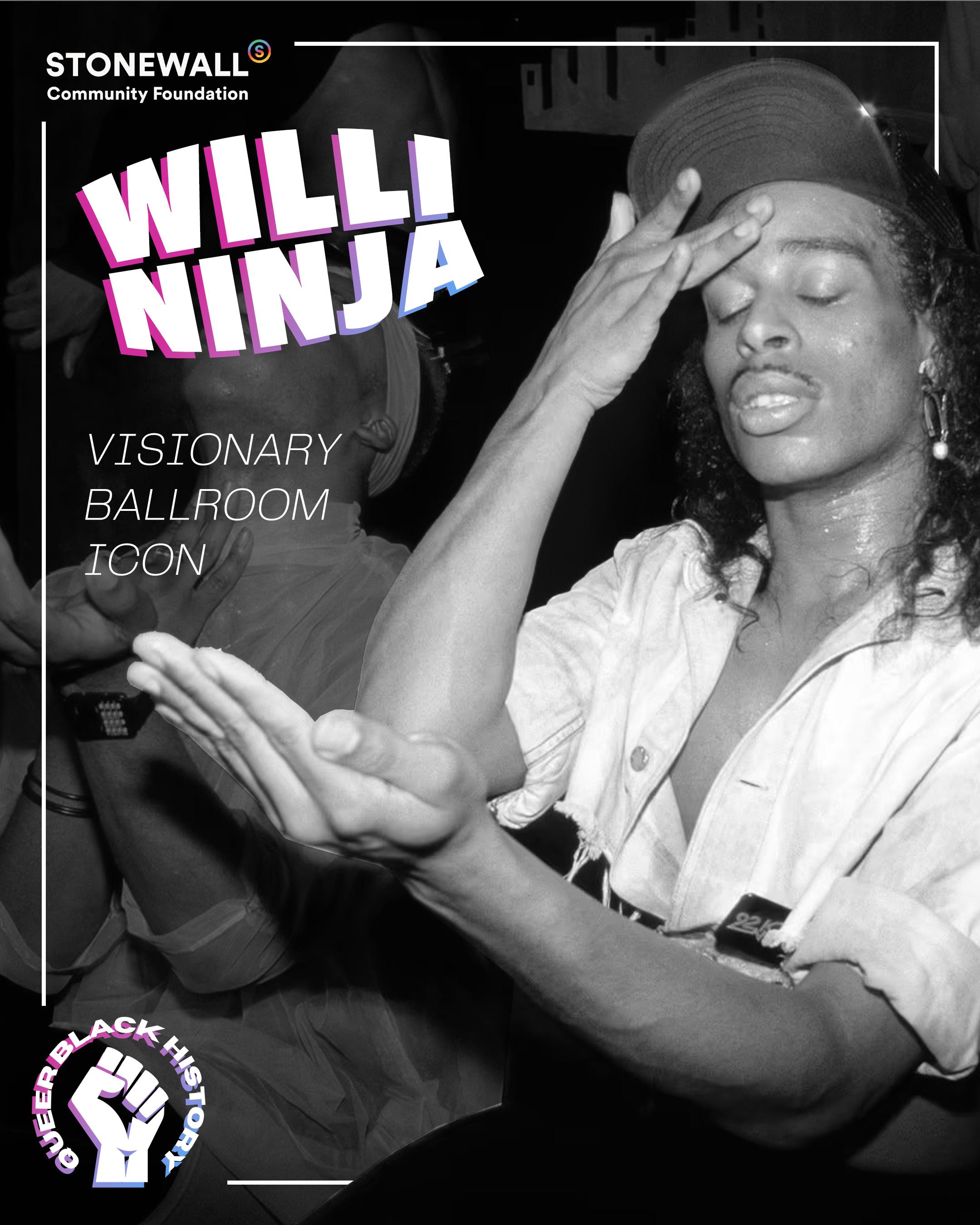
Willi Ninja - Visionary Ballroom Icon
Willi Ninja, celebrated as the “godfather of voguing,” transformed an underground moment in Harlem’s ballroom scene into a global cultural force through his innovative dance, performance, and creative vision. As a Black gay artist and leader of the House of Ninja, his fluid, expressive movements have been captured in iconic documentaries like Paris Is Burning. Willi helped bring voguing into the world’s imagination, influencing fashion, music, and performance while affirming that queer art born from marginalized spaces can become a vibrant, enduring language of self-expression and collective identity.